
New planning rules move more housing decisions from councillors to officers in England
From 31 October, objection numbers will no longer force a committee vote, and remaining planning committees will be capped at 13 members.
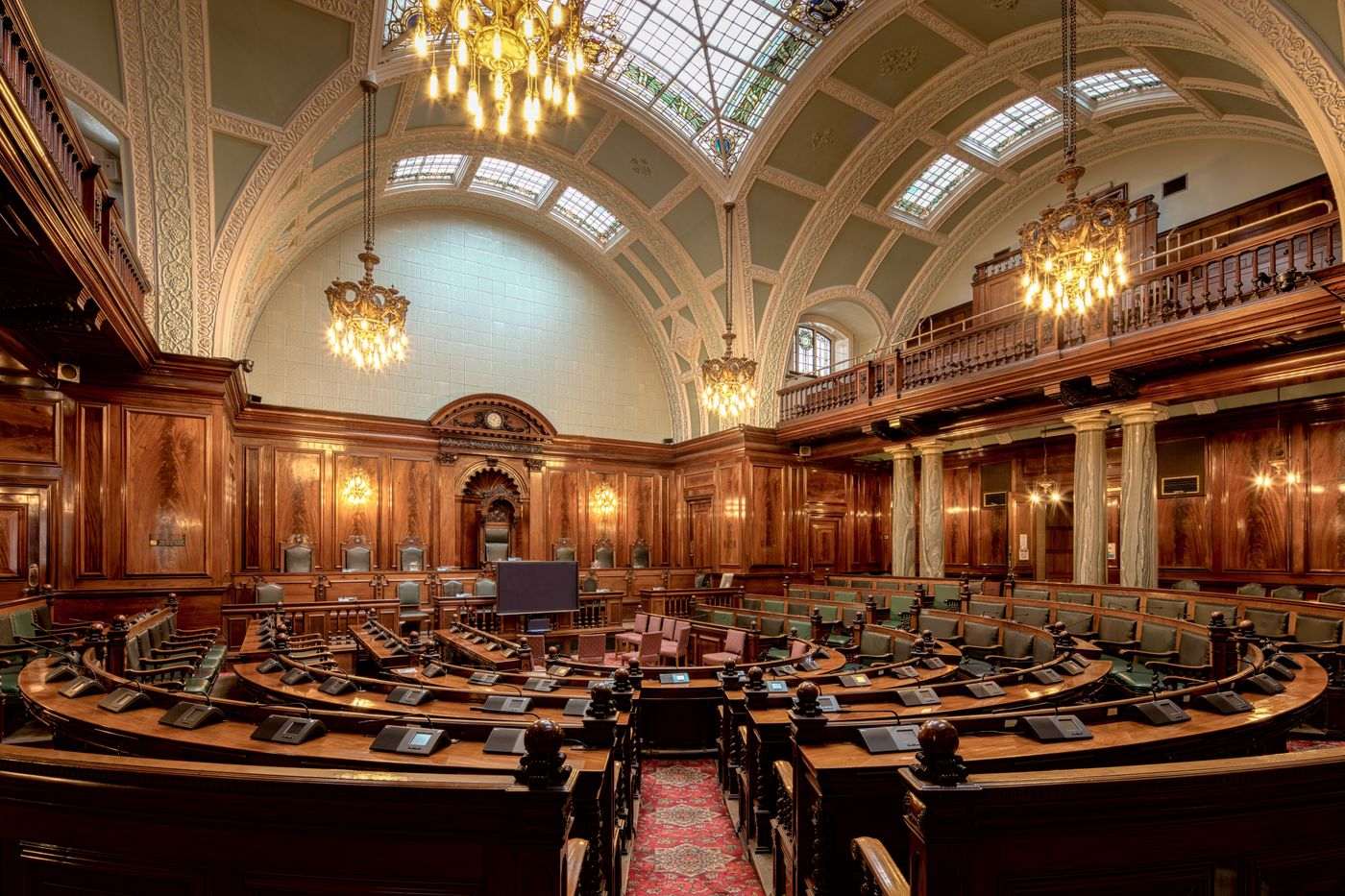
New national rules taking effect on 31 October will hand more planning decisions in England to individual council officers and reduce the part played by committees of elected councillors.
The Town and Country Planning (Discharge of Local Planning Authority Functions) (England) Regulations 2026 replace the thresholds each council currently sets for sending an application to a public committee. In many councils, as few as five letters of objection from neighbours can be enough to put a scheme before councillors.
Under the new single framework, a high count of objections will not on its own send an application to committee. In one example given, a plan for nine houses on a plot that once held a single home would still be settled by one officer even if 1,000 residents objected.
Committees that remain will have no more than 13 members. Smaller schemes such as house extensions, loft conversions and changes to existing homes will be handled only by officers, so homeowners and neighbours who disagree over issues such as privacy or light will not be able to take the matter to councillors.
The Government has pointed to the national housing shortage and to local opposition as the main obstacle to building new homes, and says the changes are intended to speed up construction and give developers more certainty. Developers and industry groups have broadly backed the change. They say committee decisions can be political and uneven, and that applications should be judged on whether they meet planning policy.
Local government representatives and community campaigners have opposed the rules. One councillor said they would reduce democratic oversight of planning. Once the committee route is closed, residents wanting to challenge an officer's decision would need to seek a judicial review or complain to the Local Government Ombudsman.
Councils are updating their delegation schemes and training officers before the rules start.